Who we studied, by experience
Share of the sample
UX Research Case Study
A study of how professionals over 45 actually move through Samsung's device ecosystem, and where its connectivity quietly leaves them behind.
Samsung's ecosystem is vast and deeply interconnected, phones, tablets, laptops, wearables, SmartThings and appliances, all meant to talk to each other. The promise is seamless. The brief was to enhance Samsung's connectivity features for users over 45 through research, competitive analysis and user centered recommendations, and to make the ecosystem more accessible and intuitive for them.
We ran it as a full Double Diamond, from open exploration to defined opportunity areas. The work moved through an ecosystem scan, a landscape of connectivity technologies, a competitive read against Apple and Huawei, and a quantitative study with seasoned professionals in real corporate spaces. For one group of users, seamless was a promise the product did not keep.
Samsung asks a single person to navigate a device range that runs from a watch to a wall sized television, all tied together by connectivity meant to feel invisible. The more a product promises seamless, the more it has to carry.
We focused on the connectivity people reach for day to day, QuickShare, SmartView and Samsung Dex, and benchmarked it against the technologies and rivals shaping what users now expect.
The audience was deliberate. Professionals aged 45 and above hold organisational influence and a long memory of how technology used to work, which makes their friction especially telling. They are also the group a seamless, youthful ecosystem is most likely to overlook.
The question the study had to earn was simple to ask. When the ecosystem promises everything connects, does this group feel it, and if not, where does the promise break.
Before narrowing in, I mapped the breadth Samsung asks a single user to navigate. The range of devices, and their prices, shows how much the promise of seamless has to span.
Prices are the vendor ranges collected during the ecosystem scan. Directional, for understanding the spread, not a live price list.
A full Double Diamond carried the work from open exploration to defined direction. Each diamond widens to understand, then narrows to decide.
Inside that vast ecosystem, I focused on the connectivity people reach for day to day, then placed it against the technologies shaping their expectations.
Samsung's answer to sending files between nearby devices without a cable.
Casting a phone or tablet to a larger Samsung screen in a tap.
Turning a phone into a desktop workspace on an external display.
Eleven connectivity technologies assessed, placed by the kind of reach each one is built for.
Samsung's tools are capable. The competitive read showed the gap was rarely about raw capability. It was about trust, discovery, and what happens the moment a transfer crosses a brand line.
A qualitative read from the competitive analysis, not a benchmarked score.
A quantitative study with professionals aged 45 and above, run inside real corporate spaces. Two numbers framed everything that followed.
Mainly for essential, work related tasks, not daily personal connectivity.
"Quickshare feels very similar to how I used to share data through Bluetooth a few years ago."
Research participant, professional over 45The tool people chose was decided less by brand loyalty and more by the size of the file in front of them. The bigger the file, the further they drifted from Samsung's own features.
Native tools owned the small and medium range. For anything large, people left the ecosystem entirely.
Three insights held across the study, and four places where the seamless promise quietly broke.
This group uses connectivity strictly for professional needs, prioritising efficiency over familiarity, unlike younger users who multitask across personal and work life.
Many default to third party tools like WeTransfer and WhatsApp for simple sharing, rather than the native features built for them.
Once shown Samsung's offline sharing, participants were keen to use it. The value was there. The awareness was not.
Difficulty understanding the task flow of the connectivity features.
Limited ability to resolve errors on their own when something fails.
Once shared, they could not locate where the transferred files actually went.
Device naming confusion left them unsure who they were sharing with.
To keep the research honest to the moment, I storyboarded the journeys the study surfaced. The same breakdowns, drawn frame by frame, the way a rep actually lives them.
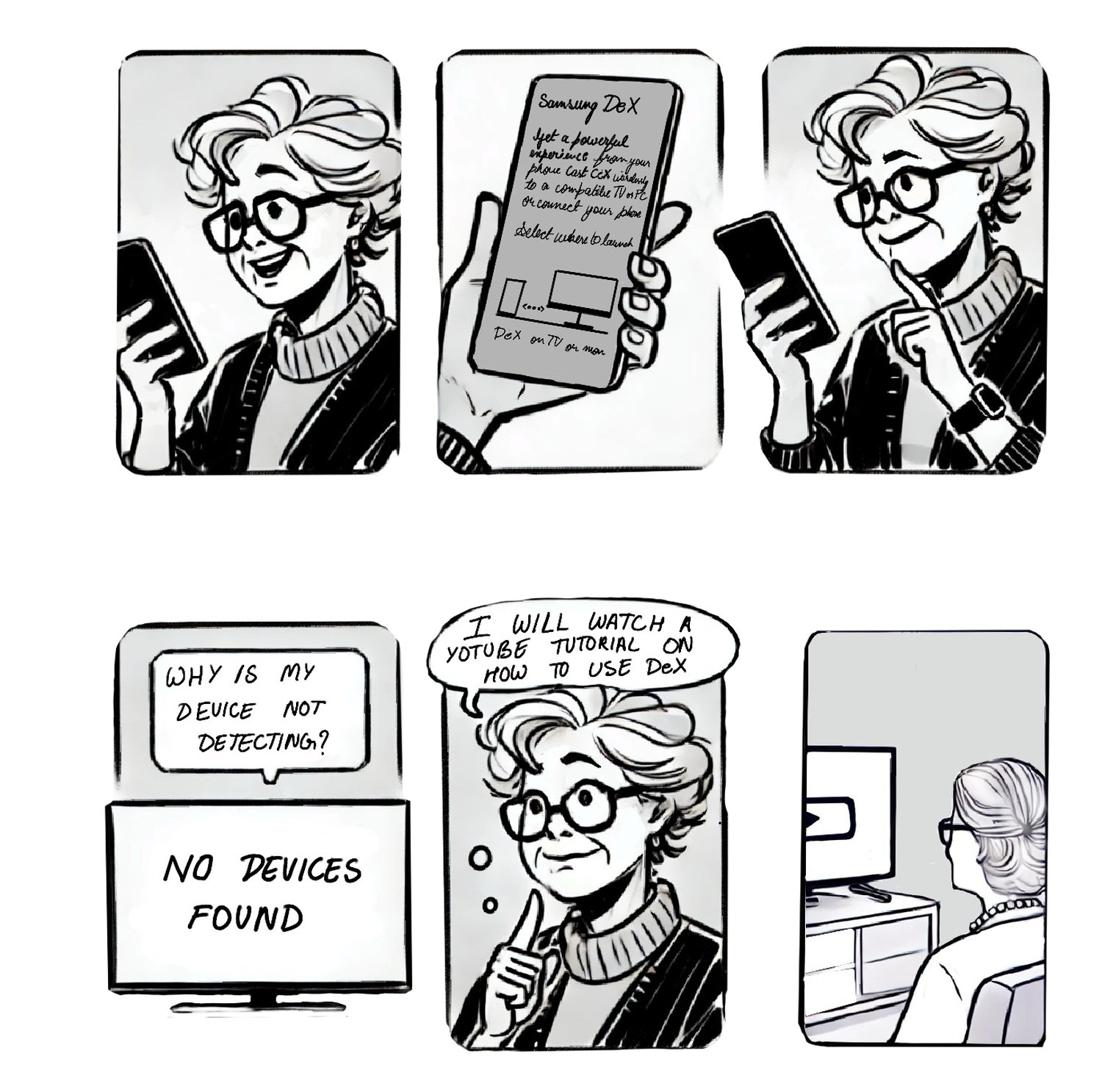
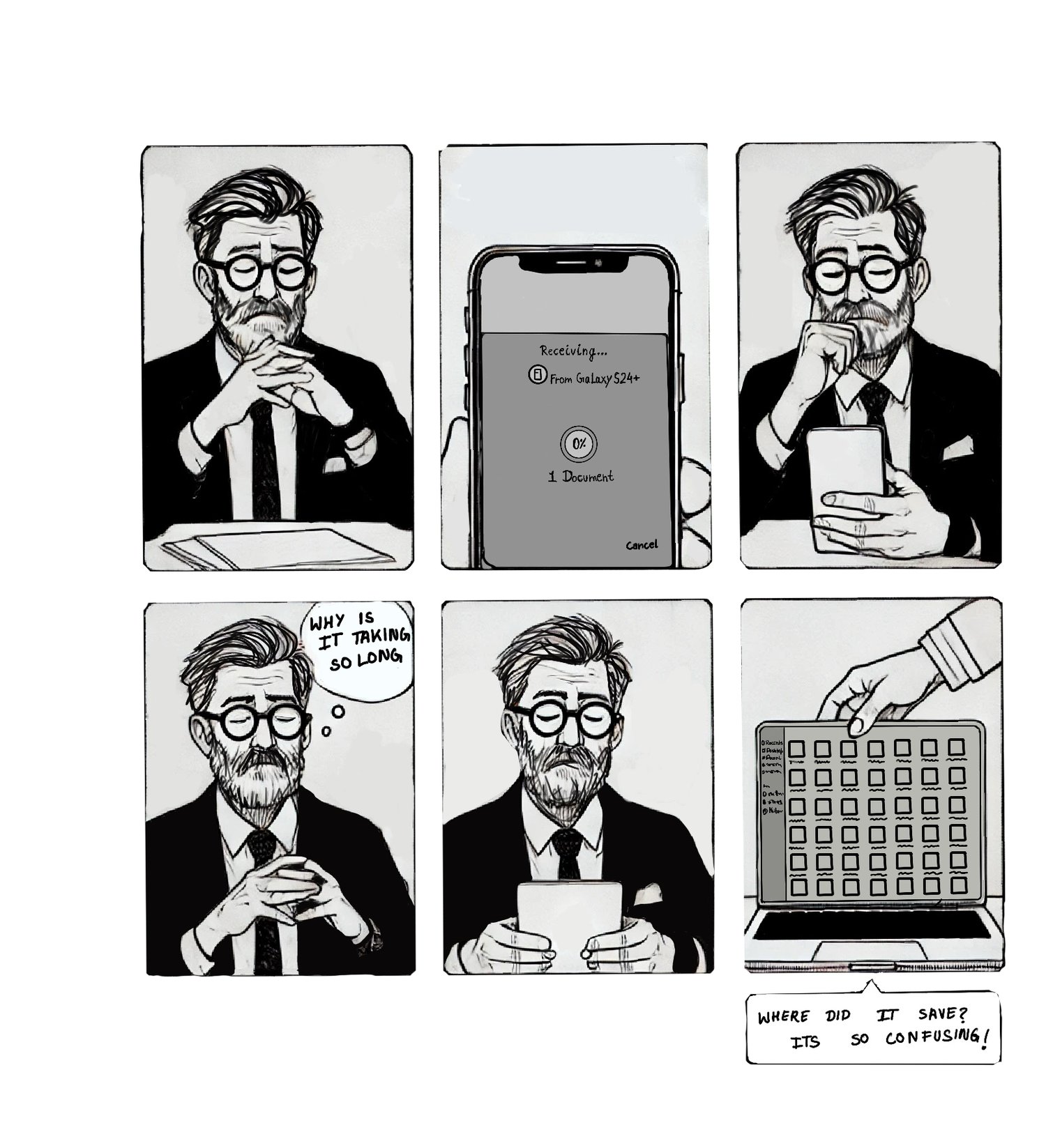
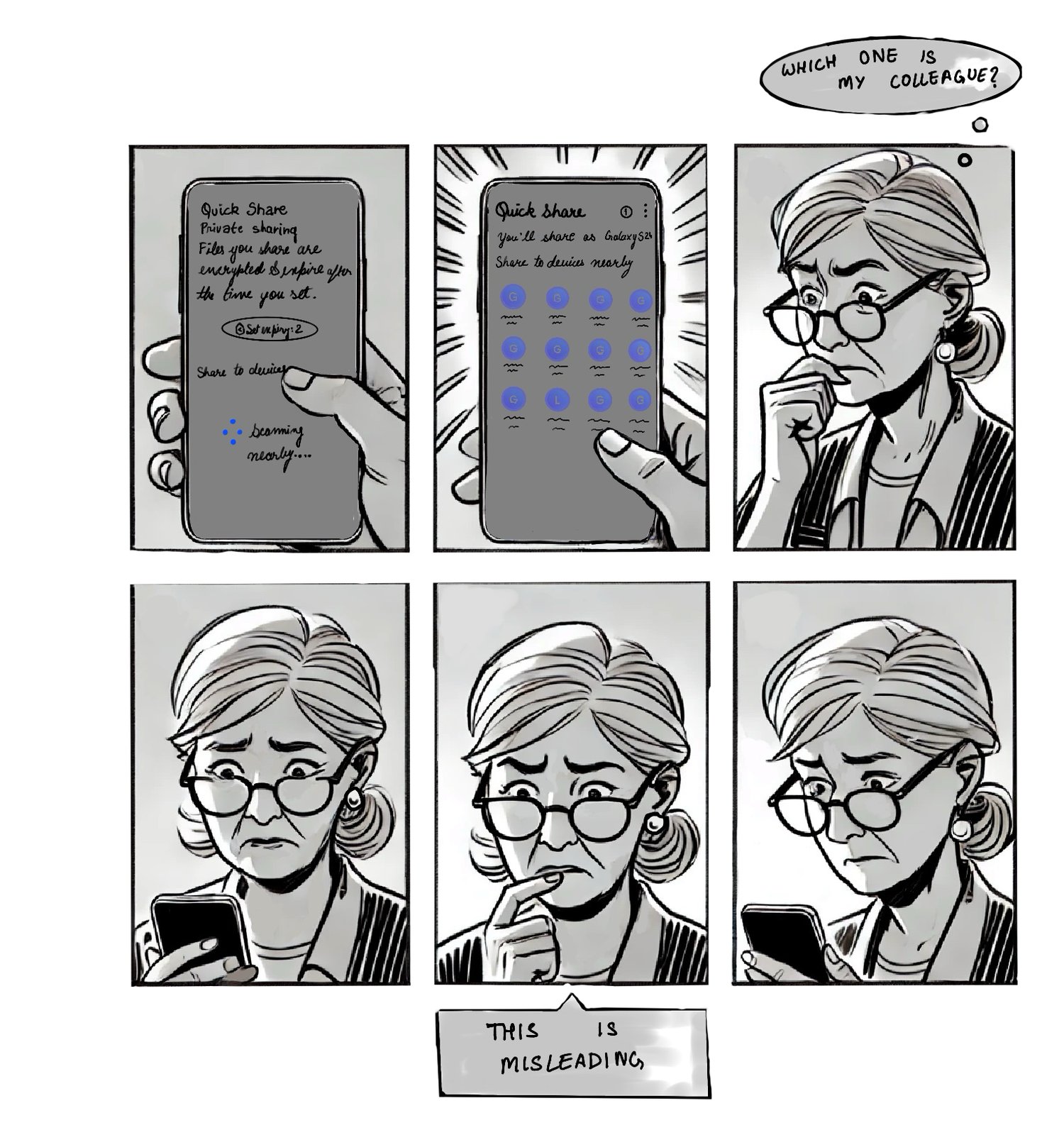
The features were not missing. The confidence was.
The same person switches environments through a single day, and the connectivity has to follow them from a private office to a shared conference room without breaking stride.
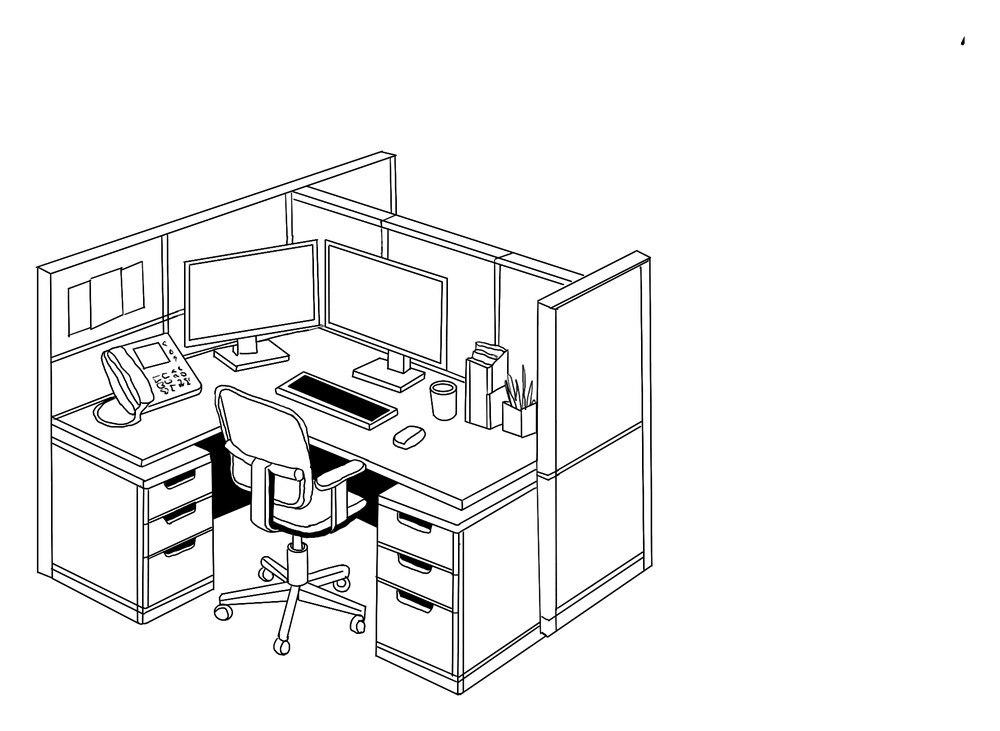
Dense, shared floors where devices crowd one short range space.
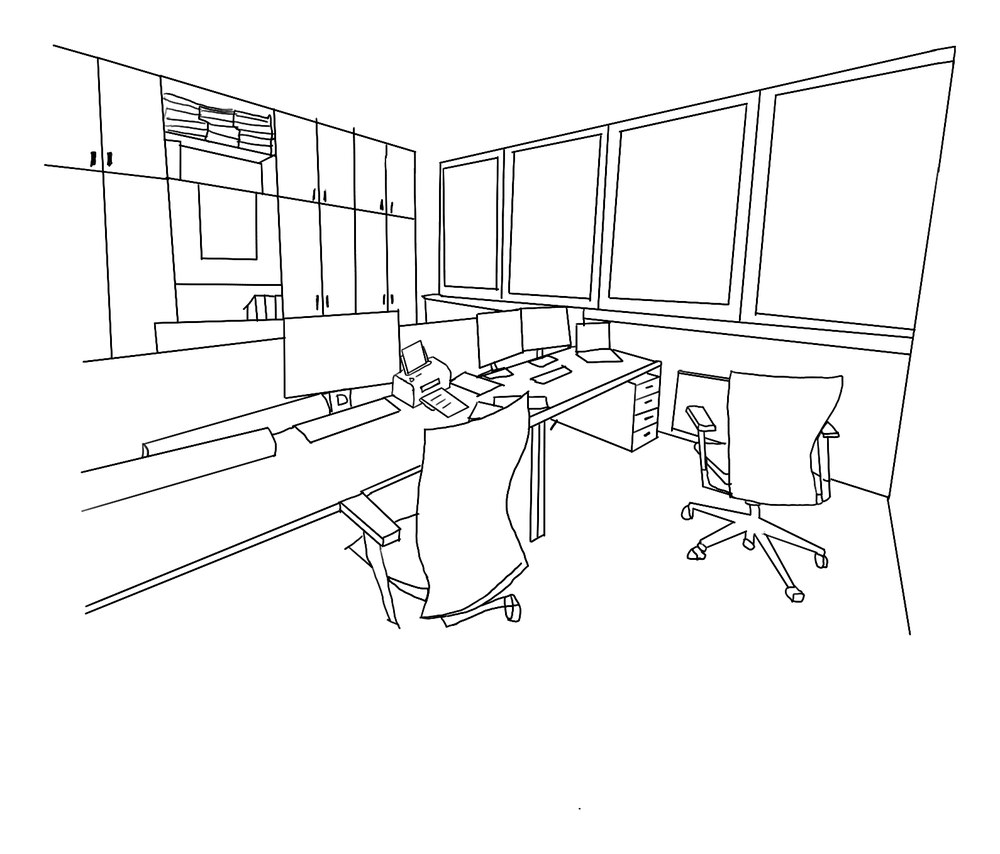
A controlled setup, still reliant on moving files out to others.
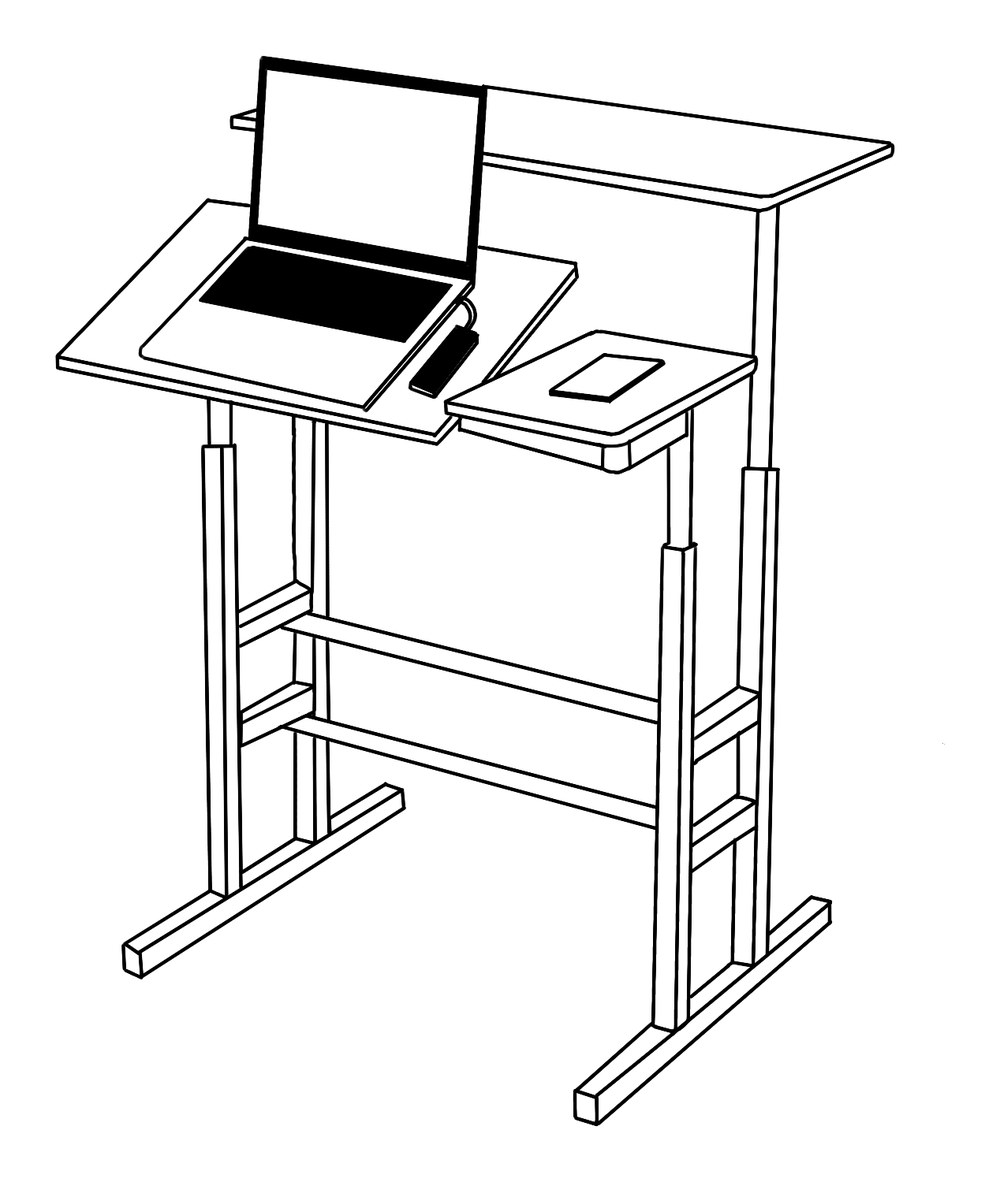
A single user, several screens, frequent casting and mirroring.
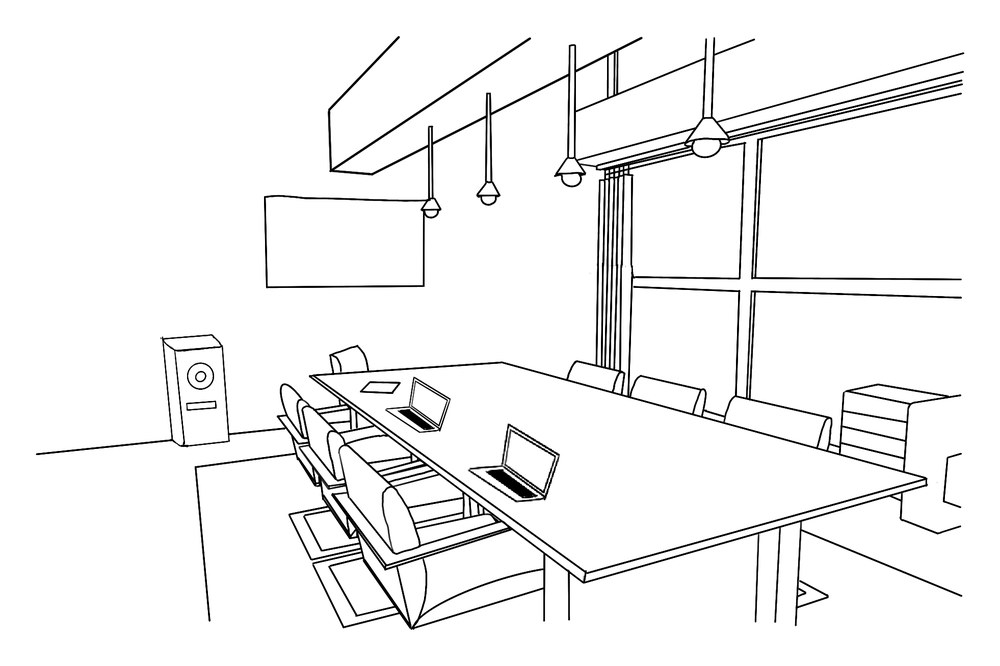
Where sharing to the wrong device is most likely to happen.
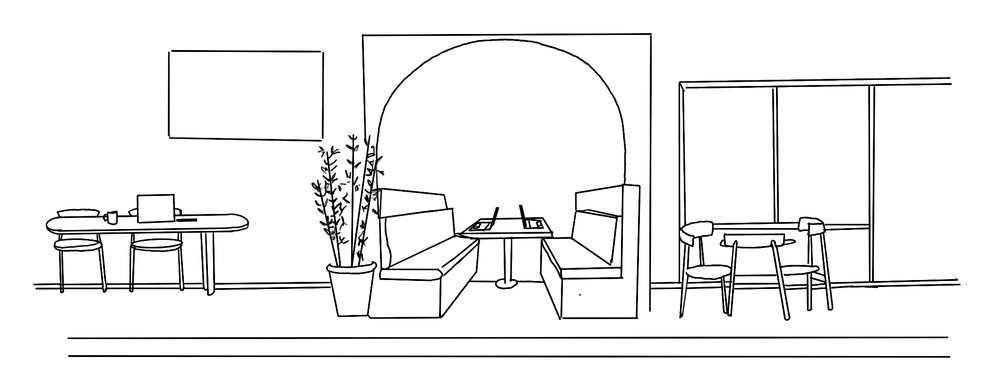
Mixed brands and unknown devices raise the stakes on naming.
Fewer IT guardrails, so self recovery matters most here.
Five opportunity areas, each mapping a user expectation against what the tools actually delivered, and naming where Samsung could win this audience.
One reliable way to move big files, so people stop reaching for outside apps.
Surface and simplify the offline options this group did not know they wanted.
Sharing that does not fall apart the moment a colleague is on a different brand.
Clearer task flows and recovery paths for users who value efficiency over exploration.
A calmer, clearer way to see and control the devices around them.
The study moved a broad brief to a clear, underserved audience, and turned their friction into directions a team could design against.
The direction came out of the study and the competitive read, where the recurring failures were low awareness of native tools, a drift to outside apps as files grew, and a quiet loss of confidence in where a file went and who received it. Each became a design constraint rather than a bug ticket.
Figures here are the real shares and ranges captured during the study, presented as directional signals from one cohort, not audited product metrics. The intent is to show what the research found and where it pointed, not to overclaim.